

Alleviate and prevent allergy symptoms
Pollen, house dust mites and animal dander can not only trigger annoying symptoms such as sneezing and itchy eyes but can also significantly impact your quality of life. On this page, you can find out how to alleviate and prevent allergy symptoms. We explain how air purification can help you.
Why fight allergies? 🧐
Allergies not only significantly impair quality of life, but can also lead to serious health problems. Untreated allergies can contribute to chronic respiratory diseases such as asthma and reduce overall quality of life. It is therefore important to recognise and treat allergy symptoms at an early stage.
Triggers of allergies 🌳🐶
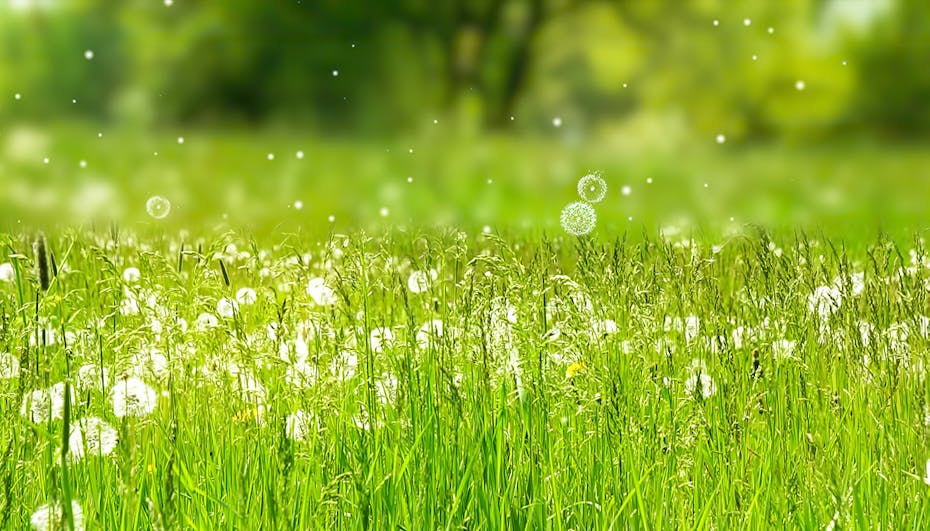
Pollen allergy, also known as hay fever, is one of the most common allergies. It occurs mainly in the spring and summer months, but climate change is causing it to spread over an increasingly longer period. Dust mites are tiny arachnids that can be found in almost every household. They can trigger severe allergic reactions. Dogs and cats are also often carriers of allergens that can cause severe symptoms in sensitive individuals.
Allergy symptoms and their effects 🤧
Allergies can cause a variety of symptoms, including sneezing, itchy eyes, blocked or runny nose, skin rashes and respiratory problems. These symptoms have a negative impact on quality of life. They also promote sleep disorders, tiredness and concentration problems.
If an allergy is not treated, it can become chronic and the inflammatory processes in the body may spread to other organs. For example, hay fever can develop into allergic asthma. Early treatment counteracts the spread. If you suspect you have an allergy, you should always consult a medical professional and have your symptoms investigated.

Tips for alleviating allergy symptoms️
🪟 Regular airing of the rooms
Fresh air from outside helps to improve indoor air quality. Regular airing is recommended to ensure a good exchange of air. You can find tips on ventilation during different seasons in the following articles
- Correct ventilation in summer – what is important
- Proper heating and airing in winter
- Does airing increase the humidity in winter?
🌳 Avoidance of allergens
If possible, it is advisable to reduce contact with allergens as much as possible. For example, monitor the pollen count in spring and summer, see what time of day there is the least pollen flying around in your area and use this to determine the best time to open the windows. If you suffer from an animal allergy, you can invite your friends with pets over without their animals and ask them to wear fresh clothes.
🧹 Hygiene and cleanliness
Regular vacuuming and damp mopping help to minimise dust and mites. If you have an allergy, you should also wash your bed linen regularly (approx. once a week) at high temperatures or use allergy-friendly bed linen. It is generally recommended to wash bed linen at 60 °C. However, please also note the temperature on the label of your bed linen.
Air purifiers and air washers against allergy complaints
Air purifiers and air washers remove pollutants and allergens from the air, thereby contributing to improved indoor air quality. They filter particles such as dust, pollen, animal hair, bacteria and viruses. This reduces the burden on allergy sufferers and improves general health and well-being.
Articles on the topic of alleviating allergy symptoms

Allergies in autumn: these pollens are still flying
Read more
10 tips to get relief from pollen allergy
Read more
What can I do if I have allergies in my home? Causes and tips
Read more
What can you do to make your bedroom pollen-free?
Read more
Allergy? What allergy sufferers need to know
Read moreAlleviate allergy symptoms with the right products


