

Dehumidify the air – why it’s worth reducing humidity
When humidity is too high, moisture from the air settles unnoticed in the room. You start to feel uncomfortable. An unpleasant odour spreads. You discover stains on textiles and, in the worst case, even find traces of mould on furniture or walls. What can help now? Dehumidifying the air.

When should I dehumidify the air? 🧐
For most rooms – with the exception of bathrooms and basements – many reputable institutions, including the Swiss Lung Association, recommend a relative humidity of 40 to 60 per cent. Here you will find a table summarising the optimal humidity for each room at different temperatures.
A short period of high humidity is usually not a problem. However, if your hygrometer shows 60 per cent or more over a longer period of time or even permanently, you should reduce the humidity.
Pay attention to the relative humidity displayed on the hygrometer and look for signs of excessive room humidity, such as
- condensation on surfaces
- water damage
- musty smell
- stains on walls, furniture or textiles (mould stains, traces of mould)
- deformation of paper and wood
If signs of excessive humidity are ignored and the room is not dehumidified, various problems can arise. A hygrometer is a simple way to monitor the indoor climate and react early.
Dehumidifying the air: why it is important? 🍄
Persistently high humidity poses dangers, and not only in the form of health risks such as mould spores in the air. The risk to humans and animals increases, as does the risk of damage to furnishings and buildings, if the humidity is not reduced.
🍀 Health
If we are exposed to excessively humid indoor air for too long, this can have serious consequences for our health. These include
- breathing difficulties
- the onset of asthma or worsening of existing symptoms
- general discomfort
- allergies
- worsening of existing allergy symptoms
- increased risk of infection
- sleep disorders
- poor concentration
- headaches

🪑 Furniture
If dehumidification is neglected, excessive humidity can cause damage to the entire interior. This can result in minor defects or even total loss. Possible damages include
- wood warping with possible damage to parquet flooring, furniture, paintings, etc.
- wood rot
- mould growth on surfaces
- damage to all types of textiles
- wooden instruments warping and becoming out of tune
- paper such as pictures, posters, paintings, etc. curl

🏠 Buildings
Building damage can also occur if the relative humidity in interior spaces is too high over a prolonged period of time. This includes damage such as
- damp walls
- cracks in the foundation when moisture freezes in winter
- wallpaper and wall paint peeling

There are many reasons why it is important to reduce humidity if it remains above 60 per cent for a prolonged period. Protect yourself, your fellow human beings, beloved pets, furnishings and buildings by taking action against excessive humidity.
How can I reduce the humidity in my home? 🌬️
Excessive humidity in the air can have many causes. Here is an overview of everything that can lead to you having to reduce the humidity in your home.
✅ How can I dehumidify the air quickly and in the short term?
- Ventilating rooms thoroughly is always important and also helps to regulate room temperature and humidity temporarily. To ventilate properly, there are different points to consider in summer than in autumn/winter.
- Do not dry laundry in your home, as wet laundry quickly causes excessive humidity in the room.
- Heating correctly is essential for an optimal indoor climate during the cold season.
✅ How can I reduce humidity efficiently?
- Use a dehumidifier.
- Improve inadequate or faulty building insulation.
- Ensure a constant optimal room temperature.
- Ventilate properly in summer and winter.
- Reduce sources of moisture, for example. Take shorter, less hot showers and ventilate well after showering or leave the ventilation running longer = less water vapour. Clean the extractor fan in the kitchen regularly for better performance. Cover the aquarium. Reduce the number of indoor plants.
The humidity in your home can be reduced in the short term by following simple tips such as heating and ventilating properly. In the long term, additional measures are necessary to create and maintain a comfortable indoor climate. The most effective tool for this is a dehumidifier.
FAQs about dehumidifying the air 💡
In the previous paragraphs and the general explanation on the "Optimal humidity" page, you will find the most important information on the subject of excessive humidity. Here we provide quick answers to the most frequently asked questions about reducing humidity.
Yes, 70 per cent humidity is too much in your home – you need to dehumidify the air. Even indoor air with a constant relative humidity of 65 per cent is already critical. Here you will find a table with recommended values for each room.
Yes, dehumidifying helps prevent mould growth. Reducing humidity also minimises the impact on health and damage to furnishings and buildings.
Yes, excessive humidity is most effectively reduced with a dehumidifier.
Yes, intermittent ventilation is important all year round, even if you have already taken measures to reduce humidity. However, the approach varies slightly depending on the season. Here are some tips on ventilation for spring/summer and autumn/winter.
Yes and no. You can also dehumidify a room in the short term with proper ventilation and draughts. But this is only effective for a short time and at the right moment. For longer periods of high room humidity, ventilation alone is no longer sufficient.
Yes, a hygrometer is an important tool for keeping an eye on the humidity in the air in your home.
No, there are recommendations for optimal indoor humidity. You can find an overview here.
Yes, Stadler Form offers a range of dehumidifiers for efficiently reducing excessive indoor humidity.
You can find interesting facts about indoor air quality in our blog.

How does humidity affect skin care?
Read more
Dehumidify your garage: Optimum humidity for the well-being of your vehicle
Read more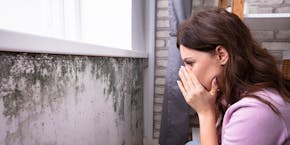
Avoid mould growth: Formation and causes of mould
Read more
Subtropical and tropical zones and their influence on the indoor climate
Read more
Global climate conditions: the temperate zone and the indoor climate
Read moreDehumidify the air with the right products

CHF 329.00
Save CHF 10.00



CHF 459.00
Save CHF 29.00

