Optimal room humidity
Dry eyes, headaches, scratchy throat or even mould growth. The cause is often an unobstrusive factor: air humidity. Optimum indoor humidity is an invisible key to our well-being. If it is too low, mucous membranes dry out, we feel tired, our skin tightens and viruses have an easy time of it. If the humidity is too high, an indoor climate is quickly created in which mould feels at home and our health suffers. The right balance creates a pleasant indoor climate that noticeably improves our quality of life.
What does ideal humidity mean? 🧐
Relative humidity indicates how much water vapour is in the air – in relation to the maximum that would be possible at the current temperature. You can find out the difference between relative and absolute humidity here.
The optimum humidity in living spaces is ideally between 40 and 60 per cent. If the value is bellow 40 per cent, mucous membranes dry out and flu viruses survive longer. This increases the risk of infection. In addition, permanently low humidity is bad for musical instruments, wooden furniture, paintings and parquet floors. Wooden objects warp and are damaged as a result. Excessive humidity in turn promotes mould growth.
Humidity fluctuates depending on the season, room and ventilation behaviour. This is why continuous monitoring with a hygrometer is important.
Difference between absolute and relative humidity 💡
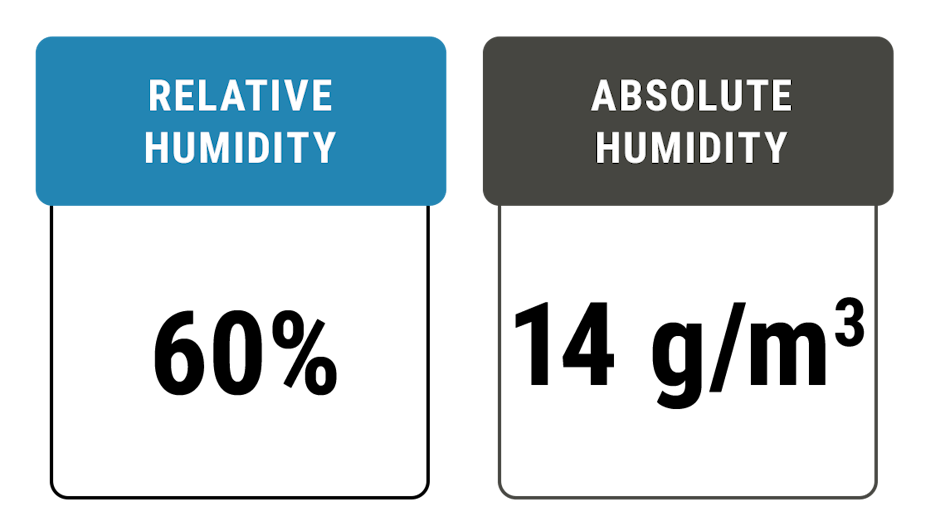
Absolute humidity measures the actual amount of water in the air, expressed in grams per cubic meter.
Relative humidity depends on the room temperature. It shows the percentage of the current humidity in relation to the maximum possible humidity. Relative humidity is crucial for everyday life. This value is the most important indicator for assessing the room climate.
Below you will find an example of how relative humidity and absolute humidity are specified.
Ideal values for different rooms ✅
The recommended temperature and humidity differ depending on the room. A table with the ideal room humidity helps you to keep an eye on the right values for each room. However, it is important to note that temperature comfort is individual and the table below is only a guide.
Room |
Ideal humidity |
Optimal temperature |
|---|---|---|
| Living room | 40–60 % | 20–23 °C |
| Bedroom | 40–60 % | 16–19 °C |
| Children’s room | 40–60 % | 18–20 °C |
| Study | 40–60 % | 20 °C |
| Bathroom | 50–70 % | 23 °C |
| Kitchen | 50–60 % | 18–20 °C |
| Cellar* | 50–65 % | 10–15 °C |
Notice: *Different guide values apply to cellars. The value depends on what kind of basement it is and what the room is used for.
Ideal humidity
40–60 %
Optimal temperature
20–23 °C
Ideal humidity
40–60 %
Optimal temperature
16–19 °C
Ideal humidity
40–60 %
Optimal temperature
18–20 °C
Ideal humidity
40–60 %
Optimal temperature
20 °C
Ideal humidity
50–70 %
Optimal temperature
23 °C
Ideal humidity
50–60 %
Optimal temperature
18–20 °C
Ideal humidity
50–65 %
Optimal temperature
10–15 °C
Notice: *Different guide values apply to cellars. The value depends on what kind of basement it is and what the room is used for.

Causes of excessively dry indoor air ☝️♨️
The humidity of indoor air can quickly become too low, especially in the cold season and in air-conditioned rooms. Heating and ventilation dries out the air. Cold outside air contains little water vapour. If the air enters heated rooms and is warmed up, the relative humidity of the indoor air drops. Even in air-conditioned rooms, the air is often to dry. This is independent of the time of the year, as air conditioning systems remove moisture from the air.
What happens if the humidity is permanently too low? 😵💫
Dry air in a room is quickly noticeable. Possible symptoms can be burning or itchy eyes. The mucous membranes also dry out. The throat feels scratchy and dry in the morning and the nose can start to run. Anyone who is already prone to neurodermatitis or eczema will notice that skin redness and itching become more severe and that hands and lips are also rough and chapped. In dry air, hair builds up static more easily, making it difficult to tame.
Dry indoor air also increases the risk of viruses and bacteria being transmitted more easily. Concentration also suffers and sleep becomes more restless.
The environment also notices dry air. Wooden furniture, floors or musical instruments can crack and become deformed. Musical instruments go out of tune more quickly.

Cleaning and descaling humidifiers – tips for keeping your humidifier germ-free
Read more
Humidifier tips: 7 questions and answers about humidifiers
Read more
Does ventilation increase the humidity in winter? Answers to the most frequently asked questions about humidity in winter
Read more
Effects of excessively dry indoor air on the body
Read more
The difference between humidifiers and aroma diffusers: what you need to know
Read moreCauses of excessively humid indoor air ☝️💦
Excessively humid air usually occurs when there is more water vapour in the room than the air can absorb. Warm temperatures and high humidity as well as cooking, showering or drying laundry indoors are common causes. This can be exacerbated with insufficient ventilation. If moist air cannot escape outside, the relative humidity rises. Moisture collects particularly quickly in poorly heated or poorly insulated rooms such as cellars, basements, screeds or laundry rooms. The relative humidity rises slightly there because cold air can absorb less moisture. The humidity should therefore be monitored regularly with a hygrometer.
What happens if the humidity is permanently too high? 🍄
Signs in everyday life indicate that the humidity is too high. Condensation on windows, musty odours or damp patches on walls are typical signs. The first sign of mould are often mould stains, damp patches behind furniture and an unpleasant odour. Visible mould usually appears as small black. Greenish or white spots in corners, on windows or behind furniture.
Mites and mould spores can multiply more easily if the air is too humid. This is particularly problematic for people with allergies, as allergy symptoms can worsen. Breathing difficulties, sneezing or irritated eyes are possible effects. Persistently high humidity levels are unpleasant for everyone.
The room air feels stuffy and furniture or wooden floors can well. This also reduces well-being and performance. Stuffy, humid rooms can promote tiredness and make concentration more difficult.
Excessive humidity is a particular problem in cooler rooms. As cold air can absorb less moisture, the water vapour condenses on the cold surface. This leads to damp walls and favours the formation of mould.

How does humidity affect skin care?
Read more
Dehumidify your garage: Optimum humidity for the well-being of your vehicle
Read more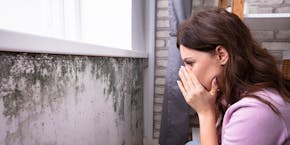
Avoid mould growth: Formation and causes of mould
Read more
Subtropical and tropical zones and their influence on the indoor climate
Read more
Global climate conditions: the temperate zone and the indoor climate
Read moreIndoor humidity may be invisible, but its effects are not. Dry heating air or excessive humidity should not be ignored. A poor indoor climate not only causes discomfort, but also health and structural damage.
But this can be prevented. With simple measures such as controlled ventilation and regular airing, monitoring with a hygrometer and the targeted use of humidifiers and dehumidifiers, you can balance the indoor climate in your home.
Suitable products for optimal room humidity